



Top 4 Plumbing Dangers Lurking in Your Home
Know the Signs. Protect Your Home.
After more than fifteen years working in the plumbing trade, I can tell you from firsthand experience that the most expensive and destructive plumbing emergencies rarely begin with a dramatic burst pipe or a sudden wall of water rushing through the house. Most serious plumbing failures begin quietly, often weeks, months, or even years before the homeowner realizes there is a problem. A pressure-reducing valve gradually slips out of adjustment and allows excessive water pressure to strain every faucet, connection, appliance, and supply line in the home. A water heater begins corroding from the inside, even though the outside of the tank may still look perfectly normal. A copper pipe develops a tiny pinhole leak behind a wall, beneath a floor, or above a finished ceiling, allowing moisture to spread into insulation, drywall, wood framing, and flooring. A drain or main sewer line may begin emptying a little more slowly each month as grease, waste, roots, mineral deposits, or damaged piping gradually restrict the flow. Because the faucets still run, the toilets still flush, and hot water continues to come out of the tap, these early warning signs are easy to dismiss or put off until another day. Unfortunately, that is exactly how a manageable plumbing repair can develop into extensive water damage, mold growth, ruined flooring, damaged cabinetry, structural deterioration, sewage contamination, and thousands of dollars in restoration costs. Every homeowner should understand the early warning signs of the four plumbing problems I have seen cause some of the most serious damage: dangerously high water pressure, a failing or ruptured water heater, deteriorating or leaking supply pipes, and a drain or sewer backup. You do not need to become a plumber or diagnose every problem yourself. You simply need to pay attention when your plumbing system begins behaving differently, recognize the warning signs you can safely inspect, and understand when delaying professional plumbing service is no longer worth the risk. Your plumbing system often gives you an opportunity to prevent a major emergency, but protecting your home depends on recognizing that warning and acting before a small problem becomes a devastating one.
Danger 1: High Water Pressure
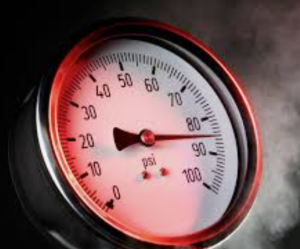 High water pressure feels like a luxury because the shower is strong and a bucket fills quickly, but inside the plumbing system it acts like constant mechanical stress. Every shutoff valve, faucet cartridge, toilet fill valve, washing machine hose, refrigerator supply line, water heater connection, and pipe joint has to contain that force around the clock. Georgia follows plumbing standards that limit excessive static pressure, and 80 pounds per square inch is an important upper threshold. A properly operating home is commonly more comfortable and easier on its components at a lower, controlled pressure. When pressure runs too high, it does not always break something on the first day. It shortens the working life of many parts at the same time until the weakest component finally gives way.
The warning signs can be easy to dismiss. You may hear a bang when a washing machine stops filling, notice toilets that keep developing fill-valve problems, find faucets that drip soon after repair, or see a water heater relief valve release water. Flexible appliance hoses may look swollen, and fixture supply lines may begin leaking at their connections. Some homeowners also notice pressure that changes sharply during the day. Those symptoms do not prove that pressure is the only problem, but together they justify a proper pressure test. Water hammer, thermal expansion, a failing pressure-reducing valve, and high municipal supply pressure can create similar complaints, so the goal is not to guess. The goal is to measure the system under the right conditions and identify what is actually happening.
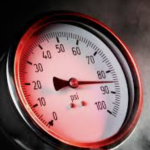
A simple hose-bib pressure gauge can provide useful information, but one quick reading is not always the whole story. Pressure may rise overnight when neighborhood demand drops, or it may climb inside a closed plumbing system while the water heater is heating. A Master Plumber looks at both static and flowing pressure, checks the pressure-reducing valve when one is present, and determines whether the home needs properly sized thermal-expansion control. The solution may involve adjusting or replacing a regulator, installing or servicing an expansion tank, securing loose piping, or correcting a restriction that is creating misleading symptoms. If your home repeatedly damages cartridges, valves, hoses, or water-heater components, do not keep replacing the victims. Find and correct the condition that is putting the entire system under stress.
Danger 2: A Failing or Ruptured Water Heater
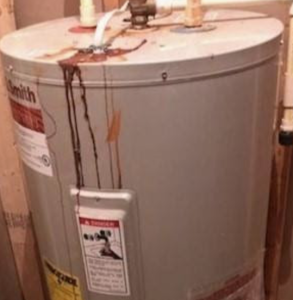 A tank-style water heater stores dozens of gallons of hot water in a steel vessel, often in a garage, closet, attic, utility room, or finished area. When the tank wall or a connection fails, that stored water can escape quickly, and the incoming water line may continue feeding the leak until someone closes the shutoff. Damage can spread into drywall, flooring, cabinets, insulation, and nearby rooms before the homeowner realizes what has happened. A water heater can also present burn, electrical, gas, venting, or carbon-monoxide concerns depending on the equipment and the nature of the failure. That is why a water heater should never be treated as an appliance that can be ignored until it stops producing hot water.
Common warning signs include moisture or rust at the base of the tank, corrosion around the connections, rusty-looking hot water, rumbling or popping sounds, inconsistent temperature, a burner or heating element that runs abnormally, and repeated discharge from the temperature-and-pressure relief line. A small puddle deserves attention because water at the base might come from the tank, a fitting, the drain valve, the relief system, condensate, or another nearby source. The repairability of those conditions is very different. A tank that has begun leaking through its steel shell is generally not a patch-and-wait situation. Internal corrosion means the vessel has lost integrity, and the safe answer is replacement before the leak grows into a rupture.
If water is actively escaping, keep people away from wet electrical areas, close the cold-water supply to the heater if it is safe and accessible, and call for professional help. Do not cap a dripping relief line, plug the temperature-and-pressure relief valve, or assume that repeated discharge is harmless. That valve is a critical safety device. A licensed plumber should determine whether the problem is a defective valve, excessive system pressure, thermal expansion, overheating, improper installation, or tank failure. Routine professional inspection can catch corrosion, venting defects, unsafe relief piping, worn valves, and installation problems before an emergency. The right maintenance plan depends on the water quality, equipment type, manufacturer instructions, and the condition of the system, not on a one-size-fits-all internet schedule.
Danger 3: Failing or Ruptured Water Pipes
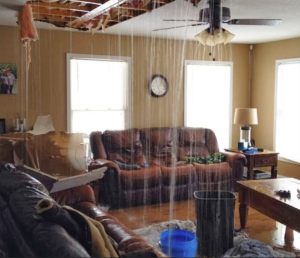 Water-supply piping can fail because of age, corrosion, freezing, excessive pressure, poor support, damaged fittings, shifting soil, workmanship defects, or accidental impact. In Athens, we work on everything from older homes with aging galvanized or copper piping to newer systems using modern plastic materials. No pipe material is immune to every kind of failure. Copper can develop pinholes, galvanized pipe can corrode from the inside until flow is restricted, plastic piping can be damaged by poor installation or exposure, and flexible connectors can fail long before the main piping does. Buried water services face a different set of stresses, including soil movement, roots, rocks, and changes at the transition between materials.
Some pipe failures announce themselves with spraying water. Others leak for weeks behind walls, under cabinets, above ceilings, beneath slabs, or underground. Watch for a water bill that rises without explanation, the sound of water when every fixture is off, warm or damp flooring, peeling paint, soft drywall, musty odors, recurring mildew, low pressure, discolored water, or a meter that continues moving when the home should be using no water. A green patch in a dry yard or a constantly wet area near the water-service route may point to an underground leak. None of those signs should be covered with paint or blamed on humidity until the moisture source has been located.
Every adult in the home should know where the main water shutoff is and how to operate it before an emergency. If a pipe ruptures, close the main valve if you can reach it safely, turn off fixtures and water-using appliances, protect people from electrical hazards, and call a plumber. After the immediate leak is controlled, insist on a diagnosis that goes beyond the visible break. Pressure testing, acoustic equipment, thermal imaging, moisture mapping, meter testing, camera work, or line locating may be appropriate depending on the situation. Sometimes a focused repair is sensible. When failures are recurring or the entire piping material is at the end of its useful life, a planned repipe can be safer and more economical than repairing one weak spot after another.
Danger 4: Drainage and Sewer Backups
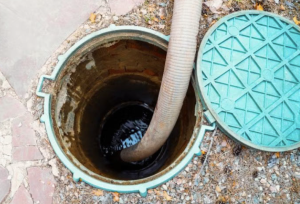 A slow drain is inconvenient. A drainage backup can be a property and sanitation emergency. Wastewater follows gravity and seeks the lowest available opening, which may be a shower, tub, floor drain, or low toilet. If the main building drain or sewer lateral is obstructed, using water anywhere in the home can push contaminated water into another room. Grease, wipes, foreign objects, heavy buildup, root intrusion, damaged piping, poor slope, and collapsed or separated sewer sections can all contribute. In homes with septic systems, an overfull or failing system can create similar symptoms. The correct repair depends entirely on where the restriction is and why it developed.
Early warning signs include several fixtures draining slowly at the same time, toilets that gurgle when another fixture is used, water rising in a shower when a toilet flushes, sewage odors, recurring clogs, or wastewater appearing around a floor drain. One slow bathroom sink may be a local stoppage. A toilet, tub, and laundry drain acting up together suggests a larger shared-line problem. Repeatedly clearing the same drain without finding the cause is another warning. Chemical drain products may not reach the actual obstruction, can create a hazard for the person who later opens the line, and may damage some plumbing materials. When multiple fixtures are involved, continuing to run water can turn a warning into an overflow.
At the first sign of a main-line backup, stop using sinks, toilets, showers, washing machines, and dishwashers. Keep children and pets away from contaminated water, avoid contact with sewage, and call a qualified drain professional. A proper diagnosis may include opening an accessible cleanout, clearing the stoppage with the right equipment, and inspecting the line with a sewer camera after flow is restored. Camera inspection can reveal roots, scale, grease, broken pipe, bellies, offsets, or foreign material, while locating equipment can mark the trouble area from above ground. Long-term protection may include hydro jetting where appropriate, root removal, a targeted repair, trenchless work, replacement of a damaged section, or better household practices. The important point is to correct the cause, not merely create a temporary opening through it.
These four plumbing dangers share one lesson: your home usually gives you a chance to act before the worst damage occurs. Listen to the banging pipe. Investigate the rust beneath the water heater. Take the unexplained water bill seriously. Pay attention when more than one drain begins talking back. Know the location of your main shutoff, keep the area accessible, and do not postpone a professional inspection when warning signs repeat. Plumber Pro Service & Drain is a local, family-owned Athens plumbing company led by Georgia Master Plumber Sam Ivey, and our team is available around the clock for urgent plumbing  problems throughout the Greater Athens region. If something does not look, sound, or smell right, call (706) 769-7761. A timely inspection is far less disruptive than repairing a flooded room, replacing ruined finishes, or cleaning up a sewage backup. Know the signs. Protect your home.
Also know, when you call on Plumber Pro Service & Drain, you can take comfort in the fact that you are calling the plumber in Athens that is recommended by Best Plumbers as being the Best Plumber in Athens, Georgia.